Industrial-scale Biochar Facility in the Middle East
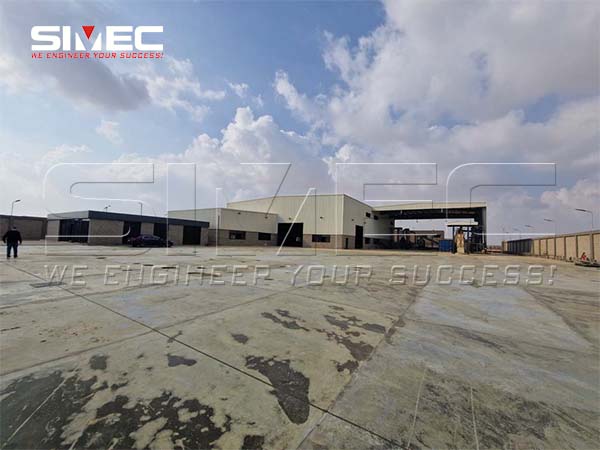
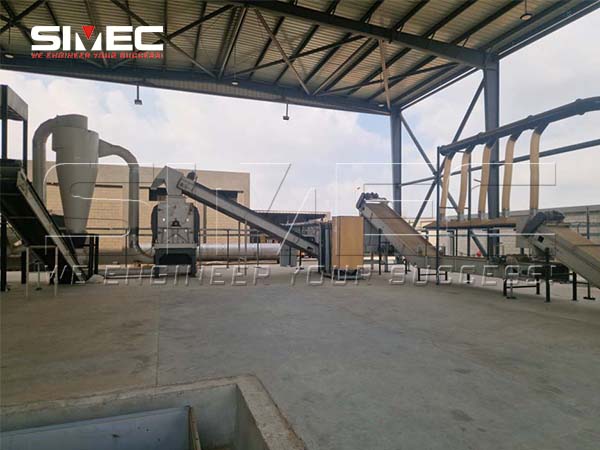
An industrial-scale biochar facility has been constructed in the Middle East as a flagship project that can demonstrate SIMEC biochar & PyCCS technology. The project is designed to produce ~13,500 tons of biochar, with a carbon removal capacity of ~25,000 tons CO2 on an annual basis. The plant is scheduled to be commissioned during Q2 2026, and is considered to be one of the largest biochar facilities developed globally so far. The biochar plant fully adopts SIMEC technology.In 2020, the client put a pilot-scale R&D facility into operation. Fitted with SIMEC technology, this facility was designed to achieve two goals: developing value-added biocarbon-based products for various market segments, and refining the production processes of standard and engineered biochar to suit multiple applications.
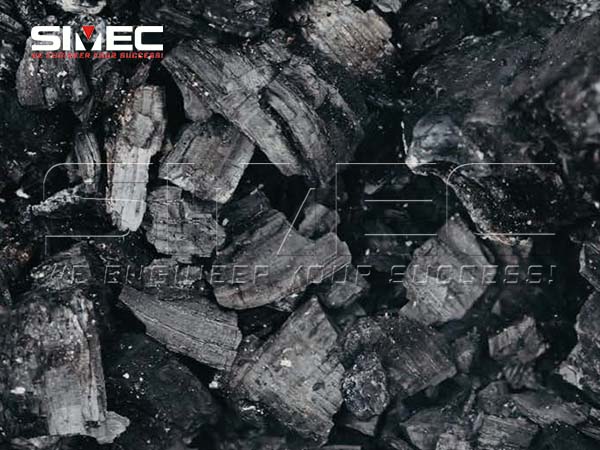
Using citrus and olive tree trimmings as feedstock, biochar made by SIMEC pyrolysis technology can be guaranteed to have a total 16 EPA-PAH content of less than 2.5 mg/kg, tested by the method DIN EN 16181:2019-08. The biochar product can meet the standard of EBC-Feed class I and EBC-AgroBio class II. Carbon content is 84.8% as per result of analysis. Both the pyrolysis temperature and reaction time can be adjusted to produce different carbon products.
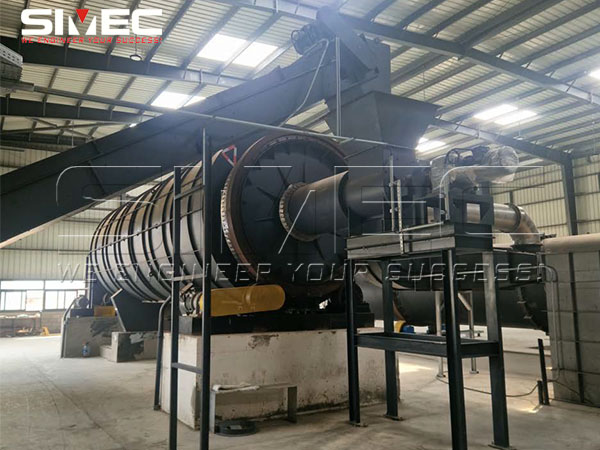
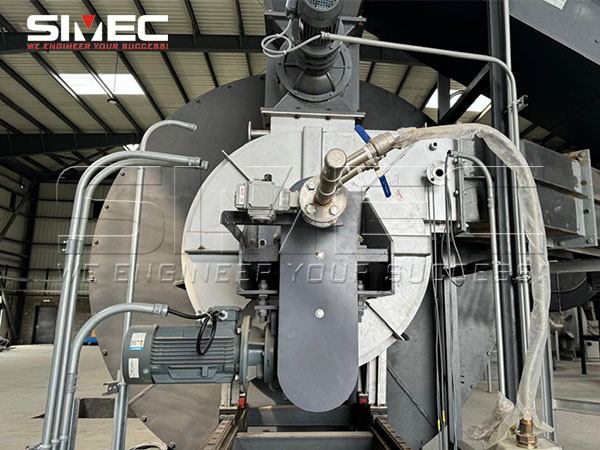
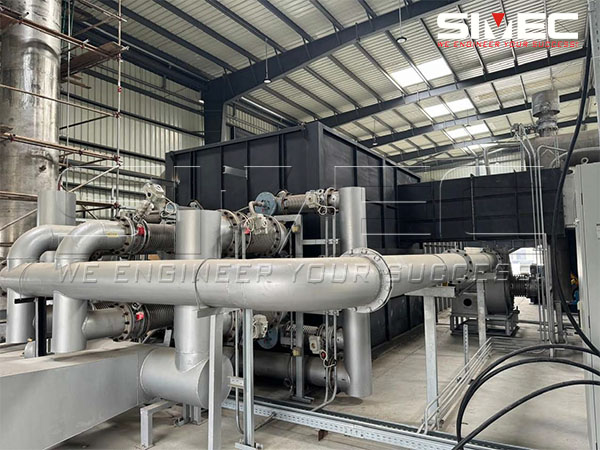
The industrial-scale biochar facility in the Middle East built by SIMEC will produce high quality biochar and generate carbon removal certificates to serve the local and international voluntary carbon markets.